
What is a PMO: functions, types and when you need one
If you have several projects running and nobody can tell you for certain how many are going well, the question is probably not which tool to use, but what a PMO is and whether your company already needs one.
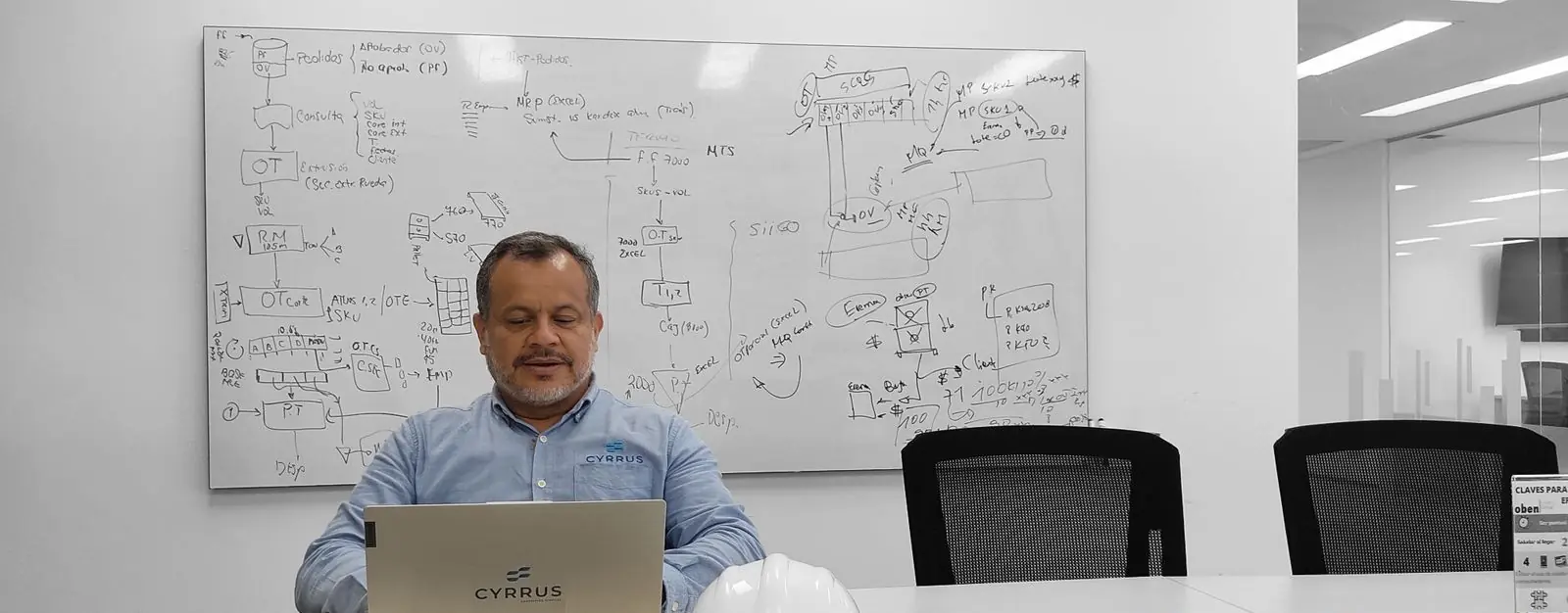
Your company may be at this point: it has several projects running at once, each managed by a different person with their own way of working, and nobody in leadership can say for certain how many are going well, how many are going badly and which ones should be stopped.
The PMO exists to bring order to that picture. This guide explains what a PMO is, what functions it performs, which types exist, how it differs from a project manager and how to tell whether your company needs one.
What is a PMO?
PMO stands for Project Management Office. It is the structure within an organization that defines, standardizes and oversees how projects are managed: which methodology is used, how progress is reported, how initiatives are prioritized and who is accountable for each one.
Depending on the context, the term is also used for a program or portfolio management office. In every case the idea is the same: projects should be managed with a common standard and with visibility for leadership, rather than depending on each manager's individual skill.
What is a PMO for?
A PMO lets an organization deliver its projects more predictably. In practice, that means five results. What's at stake is concrete: PMI estimates that organizations waste an average of 11.4% of their project investment due to poor performance (Pulse of the Profession, 2020).
A common language: every project uses the same definitions, templates and reporting formats, so they can be compared.
Visibility for leadership: a single dashboard with the status, risk and budget of every project, without asking for reports one by one.
Clear priorities: explicit criteria for deciding which projects go ahead, which wait and which are stopped.
Better use of resources: you can see who is overloaded and who has capacity before committing to a new project.
Accumulated learning: what went well or badly on one project is documented and used on the next.
Functions of a PMO
Depending on its maturity, a PMO may perform some or all of these functions.
Define the project management methodology and templates, aligned with reference frameworks such as the PMBOK.
Track progress, cost and risk across projects, and consolidate reports for the steering committee.
Manage the portfolio: evaluate, prioritize and align projects with the business strategy.
Manage resources: assign people and resolve capacity conflicts.
Support or directly lead critical projects, depending on the PMO model.
Train and coach project managers, and maintain the lessons-learned repository.
Need to bring order to your projects?
We act as an external PMO: we take over the governance of your projects with real responsibility for the outcome, from kickoff to stabilization.
- Comprehensive plan approved by the steering committee
- Continuous risk monitoring with AI agents
Types of PMO
The PMBOK guide distinguishes three types of PMO, according to the degree of control they exercise over projects.
Supportive PMO: offers templates, good practices, training and access to information. Its control is low and it works as a consulting hub. It can be the starting point in organizations with low maturity.
Controlling PMO: in addition to supporting, it requires compliance with the methodology, templates and certain governance standards. Its control is moderate.
Directive PMO: it directly takes over the management of projects and answers for their results. Its control is high.
No type is better than the others. The right one depends on how mature project management is in the company, how much autonomy the teams need and how critical the projects being run are.
PMO, project manager and portfolio: what is the difference?
A project manager runs a specific project: its scope, schedule, budget and team. A PMO works on the whole: it defines how all projects are managed, oversees their progress and supports those who manage them.
Portfolio management goes one step higher: it decides which projects are worth doing, in what order and with what resources, according to the strategy. Many PMOs combine all three, which is why people sometimes talk about a project, program or portfolio office.
Internal PMO, external PMO or PMO as a Service
A PMO can be internal, with its own staff; external, operated by a specialized firm; or a mix of both. An external PMO, also called PMO as a Service, is a team that takes over the governance of projects with responsibility for the outcome, without the company having to build the whole structure.
If you want to go deeper into when each model makes sense, we wrote a guide on when to hire an external PMO and what to demand of it.
A PMO does not exist to produce reports. It exists so projects reach the result they promised.
Signs that your company needs a PMO
There is no rule by size; these are signs we look for:
Several projects run at the same time and nobody has the view of the whole.
Projects are frequently late or over budget and it is not clear why.
Each project manager uses their own methodology and their own formats.
The same teams are committed to several projects and get overloaded.
Leadership finds out about problems when they are already crises.
Projects are started without clear priority or return criteria.
How to set up a PMO, step by step
Every company adapts it, but an orderly setup can follow these steps: diagnose how projects are managed today; define the scope and the type of PMO that fits; secure a sponsor from leadership; establish a minimal methodology and simple templates; set the indicators that will be reported; start with a pilot project; and adjust from what was learned before expanding.
The useful rule is to start small. A PMO that is born with a hundred procedures before it has helped a single project can turn into bureaucracy.
PMO indicators
A PMO is measured by the results of the projects it supports, not by the number of documents it produces. Possible indicators include schedule compliance, budget variance, the share of projects delivered with the agreed scope, sponsor satisfaction and how far users adopt what was delivered.
Mistakes to avoid when creating a PMO
Creating a PMO without visible sponsorship from leadership.
Turning it into an area that only asks for reports and does not help solve problems.
Copying another company's templates without adapting them.
Measuring activity (meetings, reports) and not results.
Managing the schedule and forgetting adoption: a project does not end when it is delivered, but when people use it.
A project ends when it is used
We build change management into execution so projects are measured by adoption, not just by delivery.
- Scope control that protects the budget
- Change management built in from the start

How we can help
At Cyrrus we also do this. We provide project management services and act as an external PMO: we take over the governance of your projects with real responsibility for the outcome, following PMBOK guidelines and with AI agents that monitor risk to anticipate deviations before they become crises.
We also build change management in from the start, so what is delivered gets used and not just installed.
If you are thinking of setting up a PMO, or already have projects slipping out of control, contact us: use the contact button below and schedule a conversation with our team.

30 years in strategy and IT: Oracle consultant, IT leader at PepsiCo Latin America, Covidien and Coremar, and founder of Cyrrus in 2017. MBA, Universidad del Norte.
About the authorReady to connect the decision to the execution?
Tell us your organization's challenge. We'll set up a conversation with the right team and tell you straight whether we can help.
Not sure where to start? Request a free diagnostic session