
How to Choose a Trustworthy Strategic Consulting Firm
A good consulting firm isn't the one that knows the most. It's the one that understands the best.
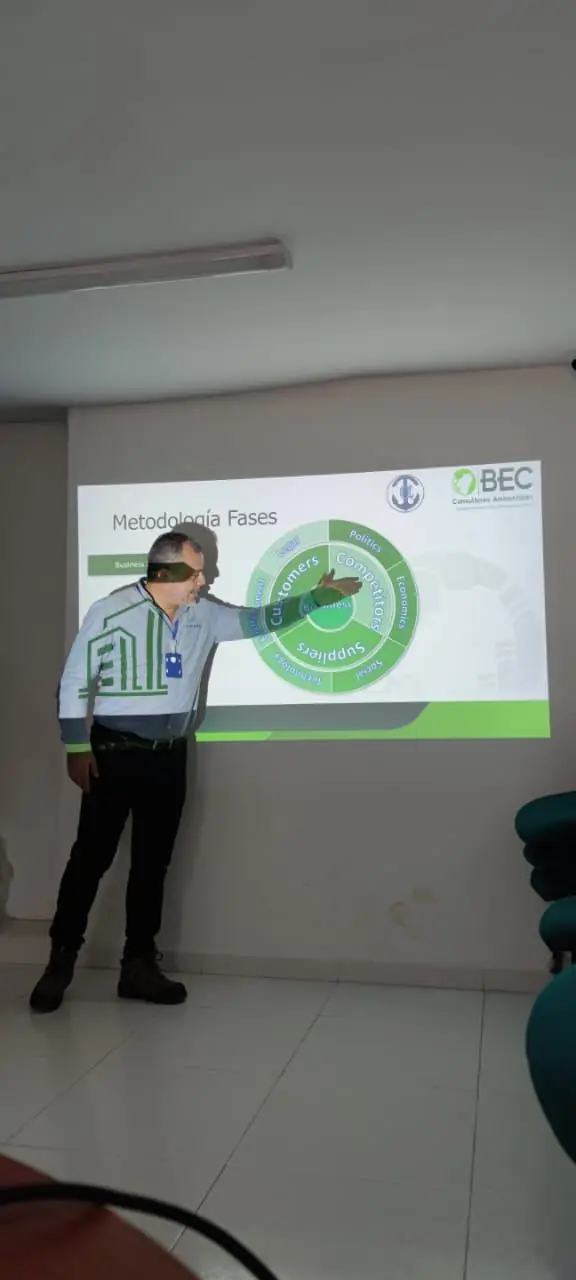
There are decisions an organization can make internally. There are others where bringing in an outsider can make a huge difference.
Not necessarily because that third party knows more than the internal team. In fact, the knowledge of the business lives inside the organization. The difference lies somewhere else.
It lies in being able to look at the business without being conditioned by the way things have always been done. In asking questions no one else is asking. In spotting potential that isn't obvious yet. In putting on the table what the organization needs to hear, even if it isn't necessarily what it wants to hear.
That's why, when a company decides to hire a strategic consulting firm, in my opinion it shouldn't only ask what experience the firm has, which clients it has served, or how much it costs. It should ask something more important: will this firm actually help us see what we aren't seeing?
Throughout my career I've been on both sides of this conversation. As a technology executive, I was on the receiving end of a strategic consulting engagement, and today, from Cyrrus, it's my job to guide executive teams through decisions that can have a major impact on their organizations. That experience has left me with a few conclusions.
The mistake of choosing by brand and price
One of the most common mistakes is turning the selection of a consulting firm into a comparison of proposals.
Who has the most recognized brand. Who charges the least. Who submitted the biggest document. Who included more pages, more methodologies, more charts, or more specialists.
But a strategic consulting engagement shouldn't be won by the size of its document. In fact, an overly long proposal can hide a question that still hasn't been answered: did they actually understand my problem?
I've seen organizations make important decisions based on a firm's reputation or on a technically flawless proposal, without stopping long enough to evaluate whether that firm truly understands their business, their environment, and their constraints. That's where a fundamental difference begins.
A consulting firm shouldn't start by assuming
A genuine strategic consulting engagement isn't limited to reviewing documents, gathering evidence, or filling out questionnaires. That can be part of the process, but it can't be the process.
You have to understand how things really work, how decisions are made, how people work, what's working and what isn't, how comfortable teams feel with the current way of doing things, what contributions are being made, and where capabilities exist that haven't been tapped yet — and above all, you have to listen. Listen before concluding. Ask before recommending. Analyze before assuming.
Because one of the things that destroys the most value in a consulting engagement is taking it for granted that the problem is already understood.
Not assuming should be almost a golden rule.
An experience that taught me a lot
A few years ago, while I was serving as an IT director, I joined an organization as the result of a recommendation made by a strategic consulting firm.
The consulting engagement had produced an important body of work. There were many documents, many sheets, many analyses, and numerous recommendations.
As part of my onboarding and my process of understanding the business, I decided to carefully review those deliverables. I found something that caught my attention deeply.
Roughly 90% of the recommendations weren't applicable in practice. Not necessarily because they were technically wrong. The problem was something else.
Some didn't account for the organization's own constraints. Others didn't consider the particularities of the industry. Some were oversized relative to the company's real needs. Others called for extremely high investments relative to the value they could generate. And some, quite simply, were solutions for problems the organization didn't have.
That experience left me with a lesson I still consider fundamental: a good recommendation isn't the one that works in theory. It's the one that makes sense for that particular organization.
Best practices matter, but context matters more.
Every organization has a different reality: different people, capabilities, constraints, cultures, markets, and moments in time. That's why a consulting firm that simply replicates what worked at another company can end up recommending something that, even if correct in another context, is completely inadequate for this client.
Experience matters. So does empathy.
I believe deeply in experience, but experience by itself isn't enough. A person can have taken part in hundreds of projects and still not understand a given organization.
Experience has to be paired with the ability to listen, with empathy, and above all, with common sense.
Common sense to understand that not everything possible is necessary. That not everything recommended should be implemented. That not every technology generates value. That an organization has constraints. That people have different levels of readiness and skills. That changes have consequences. And that behind every process, every system, and every decision, there are people.
For me, that combination is far more powerful than any methodology. Experience to know what to look at. Empathy to understand what's being seen. Common sense to decide what to do with it.
Want a consulting firm that tells you what you need to hear?
Our strategy consulting starts by understanding your business in depth, not by replicating a generic diagnosis from another industry.
- Diagnosis based on your real operation, not a template
- Roadmap prioritized by impact, not by page count
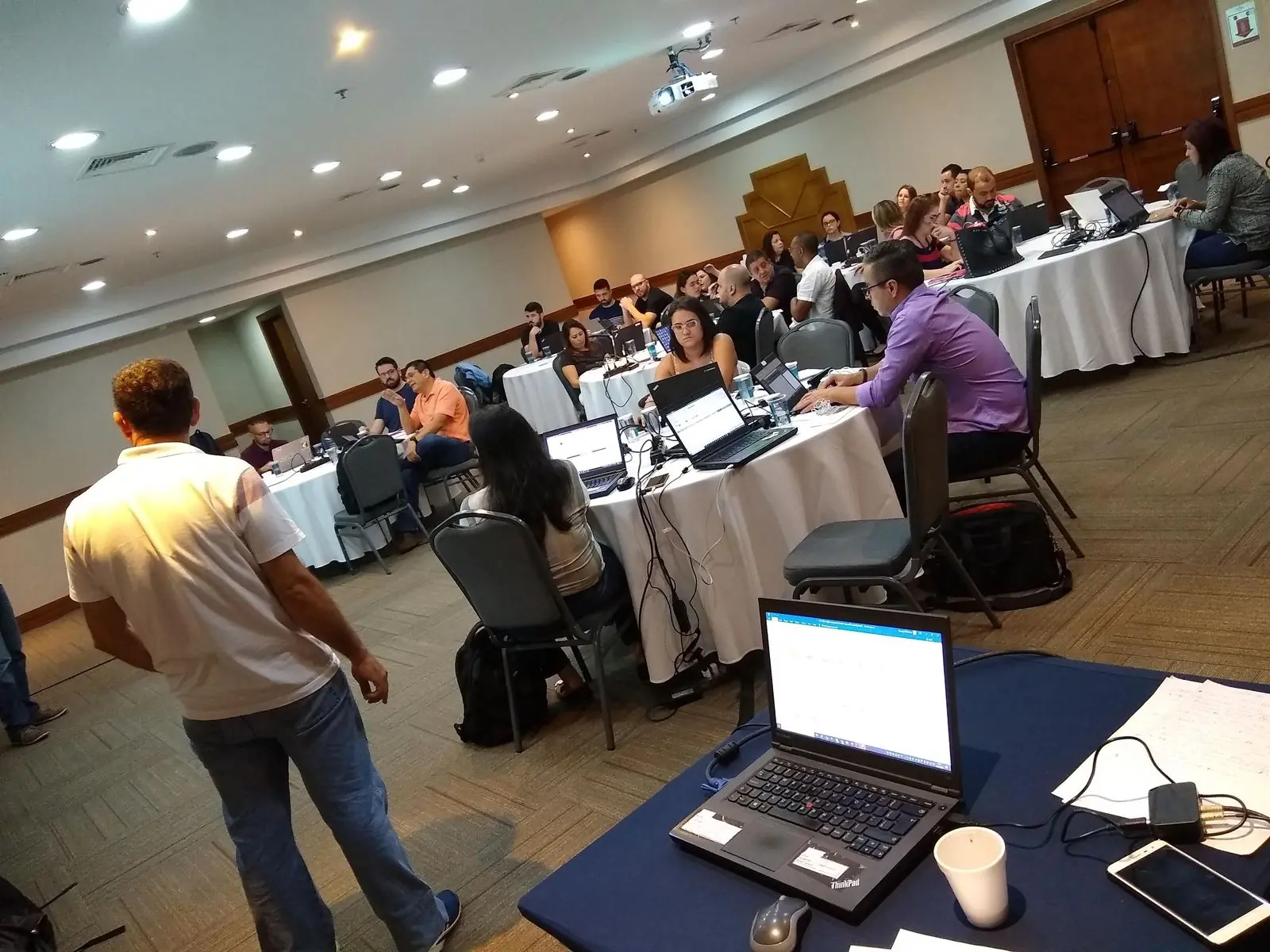
Uncomfortable conversations also create value
There's something I consider especially important in the relationship between a consulting firm and a CEO: the ability to have uncomfortable conversations.
A consulting firm isn't there to tell the client what they want to hear. It's there to tell them what they need to hear.
That sometimes means questioning a decision, saying something isn't working, admitting that one of its own recommendations wasn't right, explaining that a solution initially considered doesn't apply, or simply saying:
“I don't think we should do this.”
These conversations shouldn't damage the relationship. On the contrary, when they're grounded in knowledge, arguments, transparency, and respect, they tend to create enormous value.
A good consulting firm doesn't aim to always be right. It aims to help the organization make better decisions.
There are signs that should raise red flags
Personally, I'd be cautious with a consulting firm that uses overly complicated terms to explain simple things. Also with one that seems to have a solution for absolutely everything, that claims to know it all before really understanding the business, that talks a lot and asks little, that arrives with a prepared answer before understanding the question, and especially, with one that doesn't seem sensitive to the organization's constraints.
Constraints exist. Budget, talent, culture, regulation, infrastructure, processes, time, execution capacity, and organizational and technological maturity.
Ignoring them doesn't make them disappear. A strategic recommendation that can't coexist with the organization's reality stops being strategic.
How do you recognize a good consulting firm?
You can recognize a good firm because it understands your business, not just what you tell it, and gives it back to you from a perspective your team didn't have. There's one sign that, for me, sums up many of the previous ones.
It understands your business.
But not only what you tell it. It understands your pain points, understands the environment, understands the constraints, understands the people, and over time, it may even identify pain points the owner or CEO hasn't yet seen.
That's where the real value of a consulting engagement starts to show up. Not when it delivers a document, but when it helps the organization understand its own reality better.
Agnosticism isn't a minor detail
There's another aspect I consider fundamental, and that, in my opinion, should be a requirement for any consulting firm involved in solution-selection processes: agnosticism.
A strategic consulting firm should be able to analyze alternatives without any commercial preference for a particular brand, manufacturer, or vendor. There shouldn't be any commercial commitment, benefit, or commission that conditions the recommendation.
If an organization is trying to define what solution it needs, the question should be:
What's best for the organization?
Not:
Which of the solutions we sell can we recommend?
Independence allows for greater freedom of evaluation. And that freedom matters especially when the decisions involve significant investments and long-term commitments.
A strategy that stays in the organization, not in a document
We leave installed capability in your team — criteria, metrics, and a plan your people can execute without depending on us.
- Guided implementation, not just the report
- Technology-agnostic: we recommend what works for you
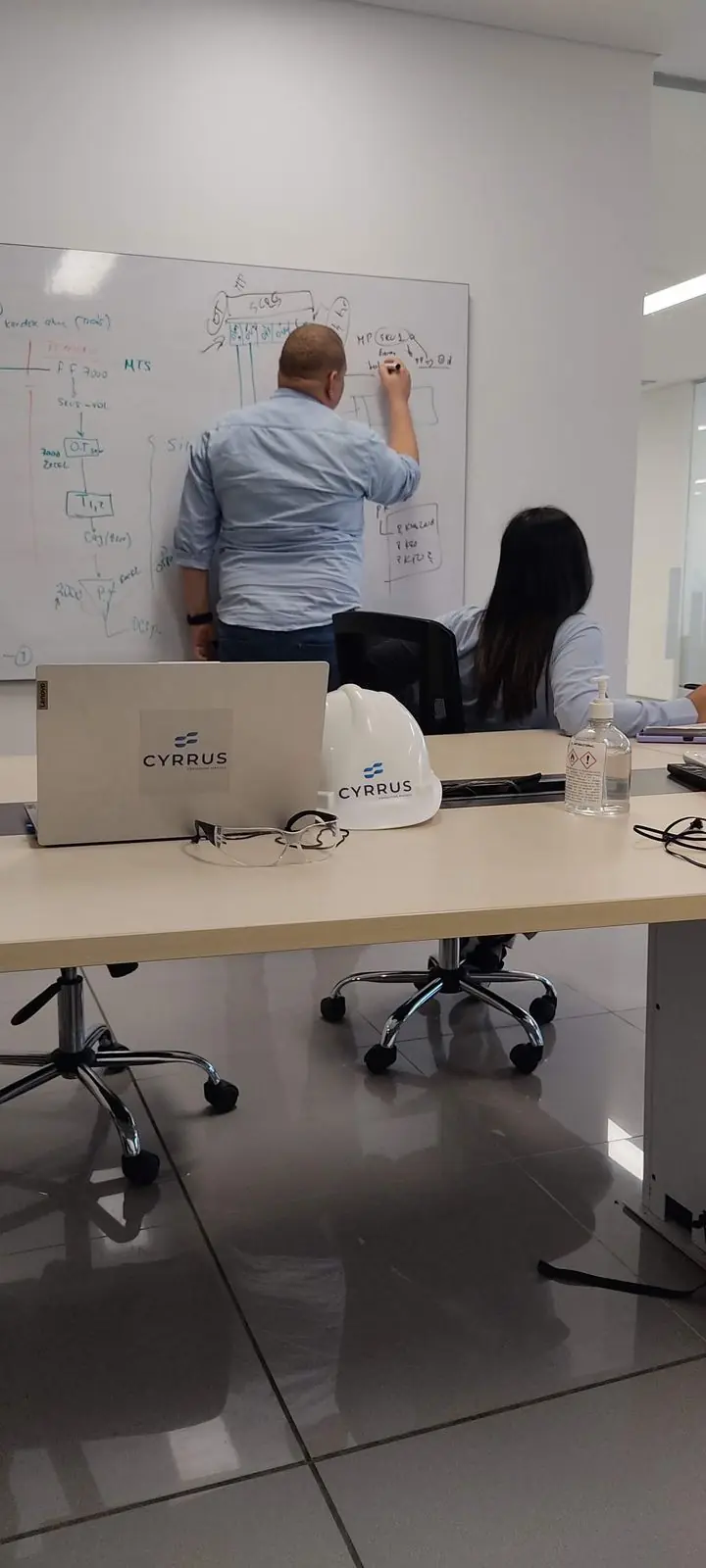
What should remain once a consulting engagement ends?
When a consulting engagement ends, what should remain is a more capable organization, not just a document. For me, this is one of the most important questions.
A consulting engagement shouldn't end simply by leaving behind a document. It should leave behind capability: a better understanding of the business, better criteria for making decisions, knowledge installed within the team, and better-prepared people.
But there's something even more important: an organization capable of questioning, analyzing, and improving — a more innovative, critical, people-centered organizational culture oriented toward continuous improvement.
Because if every time the organization faces a problem it needs to hire an outsider again to figure out what to do, the consulting engagement probably didn't fully accomplish its purpose.
The real result should be an organization that is more capable than it was before.
The role of the consulting firm with the CEO
I don't think it's simply that of a vendor. Nor should it be solely that of an advisor delivering recommendations.
For me, a good consulting firm should become a kind of intellectual sparring partner for the CEO: someone who facilitates, who questions, who helps build, who can act as an architect when needed, who knows the business and the environment.
It has to be close enough to the organization to understand it, but far enough outside it to keep an independent perspective.
Someone the CEO can keep "top of mind" when a complex problem shows up and they need to think through how to solve it — not necessarily because that person has the answer, but because they know how to help find it.
If I had three consulting firms in front of me
Let's say a CEO told me:
“Jackson, I have three consulting firms. All three have experience, good clients, and excellent proposals. Which one should I choose?”
I probably wouldn't start by comparing the proposals.
I'd tell them to look at who thinks differently. Who is more impartial. Who has the best team, not just the best brand. Who asked the best questions before presenting the proposal. Who really listened. Who was capable of pushing back. Who understood the constraints of their organization, and especially, who showed genuine concern for people and for change management.
Because a transformation can have the best strategy, the best technology, and the right budget, but if people aren't ready to live through it, it will hardly be sustainable.
One last question
When I think about strategic consulting, I come back once again to an idea that's fundamental to me: people, processes, and technology. Centered on the people who are affected by the organization.
A consulting firm can help map out the path, spot opportunities, question decisions, and build capabilities. But its real value shows up when it helps the organization see more clearly, decide better, and become capable of moving forward on its own.
Perhaps that's the best question for a CEO to ask before hiring a consulting firm: after working with them, will we be an organization more dependent on their knowledge, or an organization more capable of building our own?
The answer says far more about a consulting firm than the size of its proposal.

30 years in strategy and IT: Oracle consultant, IT leader at PepsiCo Latin America, Covidien and Coremar, and founder of Cyrrus in 2017. MBA, Universidad del Norte.
About the authorReady to connect the decision to the execution?
Tell us your organization's challenge. We'll set up a conversation with the right team and tell you straight whether we can help.