

IT strategy consulting: Technology in service of the business plan
The company invests in technology project by project, with no map that says what comes first or why. Our IT strategy consulting defines the target architecture and the portfolio of initiatives the business strategy needs, each with its business case.
A technology map the board can review.
01IT assessment
Inventory of systems, integrations, contracts and technical debt: what supports the operation today and what holds it back.
02Target architecture
How systems, data and infrastructure should be connected to execute the strategy, and what changes from today.
03Prioritized portfolio
A list of initiatives (ERP, CRM, data, AI, cloud) ordered by business impact, with dependencies and sequence.
04Business case per initiative
Expected benefit, multi-year total cost, risk and owner, so every investment is approved with criteria.
What is IT strategy consulting?
It is the service that aligns technology with the business strategy: it starts from what the company wants to achieve, reviews the systems it already has, and defines which technology initiatives (ERP, CRM, data, AI, infrastructure) it needs, in what order and with what business case. At Cyrrus it is part of the Construct phase of the CIRA method and is led by the same team that later accompanies selection and execution.
What is an IT strategy for?
Deciding what comes first
It orders technology initiatives (ERP, CRM, data, AI, cloud) by their impact on the business.
Connecting IT to the business plan
It defines the target architecture the business strategy needs.
Justifying every investment
Each initiative comes with expected benefit, total cost, risk and owner.
Giving technology governance
It sets who decides and which indicators review the portfolio.
In short
Starting point
The corporate and business strategy already defined, or the diagnosis we build it with. Technology is decided afterwards, not before.
Deliverables
Target architecture, a portfolio of initiatives prioritized by impact, the business case for each, and the criteria any vendor will be evaluated against.
Public references
ISO/IEC 38500 (IT governance principles for governing bodies) and COBIT 2019 (governance and management of enterprise IT) serve as references to structure decisions; the scope adapts to the company's size.
See the full approach
An IT strategy answers a simple question: what technology does the company need to execute its business strategy, and in what order. Without that answer, every department buys its own tool, systems don't integrate, and the technology budget is decided project by project.
That is why an IT strategy doesn't start with technology but with the business: what the company wants to achieve in the coming years, which processes sustain it, and where current technology holds it back. With that diagnosis we define the target architecture and the portfolio of initiatives.
Each initiative in the portfolio carries its business case: expected benefit, multi-year total cost (not just the license), risk and owner. That is what lets leadership approve, postpone or discard with the same criteria, and what is later used to measure whether the investment delivered.
In our view, the costliest mistakes in an IT strategy are choosing software before defining the architecture, planning without an owner per initiative, and not reviewing the portfolio when the business changes. IT governance — who decides and with which indicators — is what prevents all three.
This service is part of the Construct phase of the CIRA method. From here come the criteria we use to select software and infrastructure with no vendor bias (Identify phase), the plan that Project Management governs (Realize), and the foundation of change management (Adopt). It can also be engaged as CIO or CTO as a Service, when the company needs technology leadership without a full-time executive.
Read also: What IT strategy is and what it includes
From scattered investments to a plan you can defend
For the company that invests in technology project by project, with no map of what comes first or why.
- 01
We understand what supports your operation today
An inventory of systems, integrations, contracts and technical debt: what holds the operation up and what holds it back.
- 02
We define where technology should go
The target architecture: how systems, data and infrastructure must be connected to execute the strategy.
- 03
We order initiatives by their impact
ERP, CRM, data, AI or cloud in a prioritized portfolio, with dependencies and sequence.
- 04
Every investment comes with its business case
Expected benefit, multi-year total cost, risk and owner, so you approve with judgment.
- 05
We make clear who decides and how it is reviewed
The committee and the indicators that review the portfolio, so the roadmap does not stay a document.
Direct execution, not 200-page reports
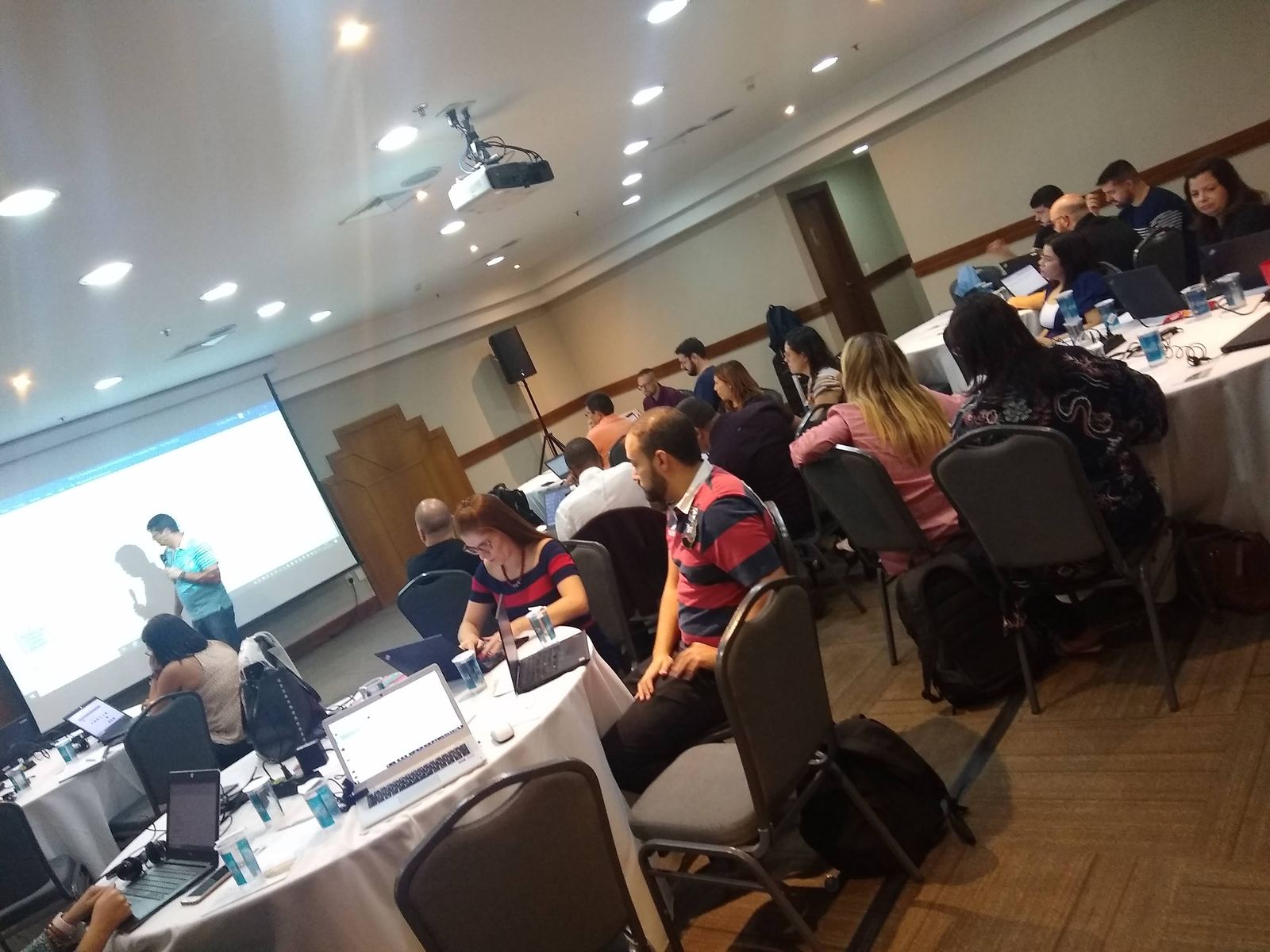
We don't hand over a 200-page report and disappear: we stay until the changes are working in the real operation — not in the slides.
- Reduction in diagnosis time compared to traditional consulting firms, based on Cyrrus internal measurements.
- 60%
- We start executing from week 1, not at the end of the diagnosis.
- W1
Benefits of an IT strategy
A plan that orders technology investments around what the business needs.
Investment with order
A portfolio prioritized by business impact instead of one-off projects.
Every initiative with its business case
Expected benefit, total cost, risk and owner defined before approval.
A clear target architecture
Systems, data and infrastructure connected for a defined purpose.
Decisions with governance
You know who decides and which indicators review the portfolio.
Before defining your IT strategy, read this
Frequently asked questions about IT strategy consulting
When the company will invest in several systems over the coming years and has no map of what comes first; when departments buy tools on their own and nothing integrates; or when the board asks for a technology plan with costs and benefits before approving a budget.
The IT strategy is the plan: what technology the business needs, in what order and with what business case. Digital transformation is the execution of that plan until the organization adopts what's new. At Cyrrus both run in the same cycle: the CIRA method covers everything from strategy (Construct) to adoption (Adopt).
A diagnosis of the current state of processes and technology, the target architecture, a portfolio of initiatives prioritized by impact with a defined horizon, the business case for the heaviest initiatives, and the criteria any software or vendor will later be evaluated against.
As a reference, the Construct phase of the CIRA method takes 4 to 8 weeks, depending on the size of the organization and the number of departments involved, and includes the diagnosis, the target architecture and the prioritized portfolio.
Not in this phase: here the architecture and the criteria are defined. Vendor evaluation happens in the Identify phase with our solution selection consulting, 100% vendor-agnostic, so the strategy doesn't end up recommending the technology someone wants to sell.
It is executive technology leadership on demand: IT governance, enterprise architecture and alignment of technology with the business strategy, without the fixed cost of a full-time executive. It makes sense when the company needs that judgment but doesn't have the daily decision volume to justify the position.
Have another question?