

AI governance consulting for companies
No one in the organization can explain which model made which decision, or with what data. We define the policies, roles, and clear controls over how artificial intelligence is used within your company — who decides, who audits, which data can be touched and which can't.
Clear rules for using AI — with control and with evidence.
We define who decides about artificial intelligence in your company, on what criteria and with what evidence, so that every initiative can be audited.

01AI usage policies
Who can use which model, for what business case, and with what data — in writing, not as a tacit agreement between areas.

02Roles and owners
Who approves an AI initiative before it starts, and who audits the outcome once it's in production.
03Data controls
What information a model can touch and what stays out of scope, with traceability for every automated decision.
What is AI governance, and which framework do you use?
It's the set of rules that defines who decides about artificial intelligence in the company, with what criteria, and with what evidence. The official sources we reviewed give no single definition; what the three public references we take as a starting point share is putting management rules around the use of AI. What we say about each one comes from its official pages, cited in our frameworks guide.
What is AI governance for?
Deciding who can use what
Written policies on which model is used, for what case and with what data.
Assigning owners
It defines who approves an AI initiative and who audits the result.
Controlling data
Which information a model can touch and which stays out, with traceability.
Having evidence for a client or regulator
Roles, policies and decision records that can be shown in an audit.
Three public references
NIST AI RMF
The US NIST's AI risk management framework, voluntary to use. Its core has four functions: govern, map, measure, and manage.
OECD AI Principles
Five values-based principles for trustworthy AI, including transparency and explainability, robustness and safety, and accountability.
ISO/IEC 42001
An international AI management system standard for any organization that provides or uses products or services with AI. It's a certifiable standard, not a law.
See the full approach
Without a governance framework, every AI initiative is left to the judgment of whoever implemented it. When something goes wrong — sensitive data exposed, an automated decision with no traceability — there's no one to turn to and no way to audit what happened.
We don't start from scratch or stop what already works: we audit the AI already in use in the organization — which tools exist, who bought them, and what data they work with — and bring it into a single framework, instead of asking each area to start over.
With that inventory, leadership makes four decisions (Cyrrus's judgment): which framework to use as the reference and for what — managing risk (NIST), setting values (OECD), or certifying a management system (ISO/IEC 42001), which can be combined —, who is accountable for AI in the company, what evidence to keep for each decision, and how often to review it all.
AI governance rests on data governance: what information a model can touch, what stays out of scope, and who owns each piece of data. That's why data controls are part of the framework, not a separate project.
This framework runs transversally beneath the CIRA method's four phases, so every AI decision — from diagnosis to adoption — stays documented and auditable.
Also read: Corporate AI governance in the enterprise
A framework before each tool
Without a governance framework, every AI initiative is left to whoever implemented it. That is why we start by organizing what already exists.
- 01
We audit the AI already in use
Which tools exist, who bought them and what data they work with. We do not start from scratch or stop what already works.
- 02
We define the framework and who answers for it
Management decides which reference to use, who answers for AI in the company and what evidence will be kept.
- 03
We document every decision
Roles, policies and records that withstand an external audit, not just an internal presentation.
- 04
We review it periodically
The framework runs underneath the four phases of the CIRA method, with reviews and clear owners.
Independence and method, not a report for the drawer
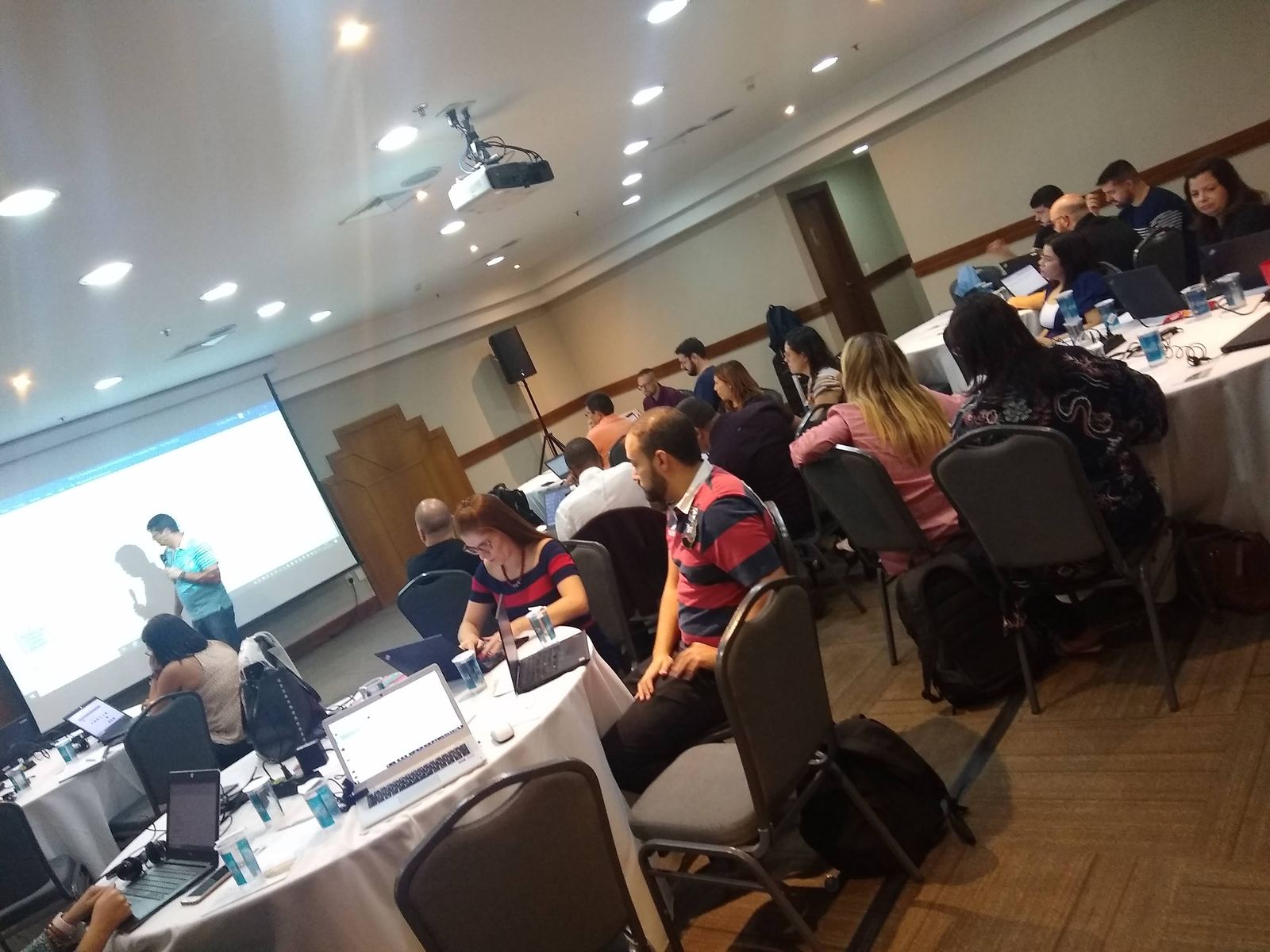
We do not sell AI tools: our only interest is that your organization uses AI with clear rules. The same team that diagnoses supports the execution.
- public references as a starting point: NIST, OECD and ISO/IEC 42001.
- 3
- phases of the CIRA method under which the governance framework runs.
- 4
Benefits of AI governance
With clear rules on what is and is not allowed, approving is not slower: it is safer.
Approve with judgment
Clear rules on what gets approved and what does not, without slowing innovation.
Audit-ready evidence
Roles, policies and decision records that a client or regulator can review.
One framework for every area
What each area already uses is brought into the same framework, instead of starting over.
Data with traceability
You know what information each model touches and who answers for it.
Before choosing a framework, read this
Frequently asked questions
When your team already uses AI without anyone auditing what data it touches or who is accountable if it fails, when several areas bought AI tools on their own, or when a client or a regulator asks for evidence of how AI is governed in the company.
It depends on what you need it for (Cyrrus's judgment): the NIST AI RMF is for managing risk, the OECD principles for setting values, and the ISO/IEC 42001 standard for implementing and certifying an AI management system. They aren't mutually exclusive and can be combined.
Data governance defines where each piece of data comes from, who owns it, and who can use it. AI governance rests on it and adds who approves each AI use case, which data a model can touch, and who audits its decisions. At Cyrrus we work on both together.
We start from zero: we define policies, roles, and controls from week one, without stopping initiatives already underway.
We audit what already exists and integrate it into the same governance framework, instead of asking each area to start from scratch.
We document the framework so it withstands an external audit — roles, policies, and decision records, not just an internal presentation.
The goal isn't slower approval — it's approval with judgment. With clear rules for what's in and what's out, approval can be faster.
Have another question?